Biodiversity and trade: mitigating the impacts of non-food biomass global supply chains
Biodiversity and trade: mitigating the impacts of non-food biomass global supply chains


We will develop models for quantifying impacts on species richness... [...]

We will estimate impacts on ecosystem functions. [...]

We will quantify the impacts of global trade in raw and processed non-food biomass from land and sea. [...]

We plan to test all the developed models with case studies, in order to test their [...]
The aim is to maximize the impact of the project by actively disseminating its outcomes. [...]

The coordination of research done here should keep the Work Packages in step with each other. [...]

Two real-world case studies through assessing the biodiversity impact in the supply lines of two large Retail Partners. [...]
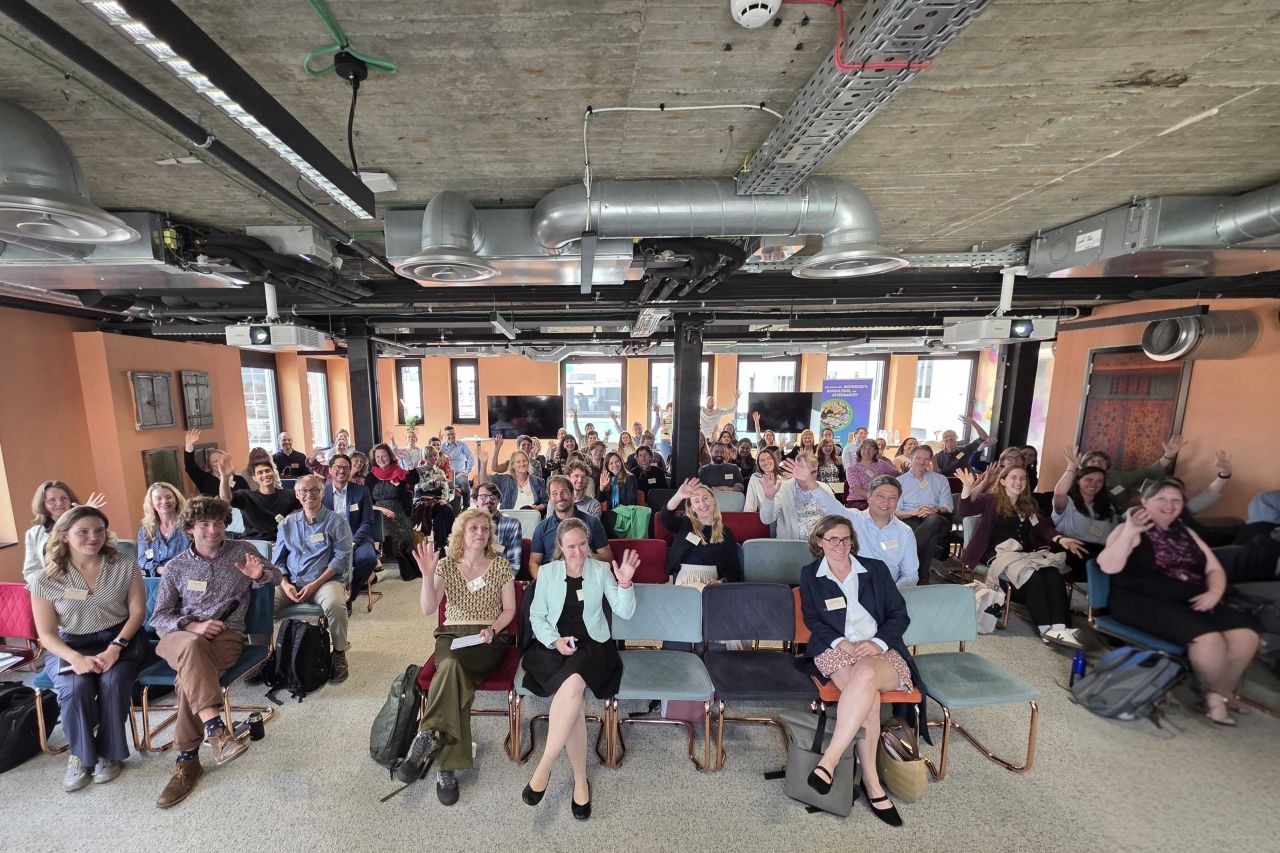
🌿 Last week, the BAMBOO team gathered in Brussels at the Transformative Change for Biodiversity conference to present the project's achievements.
We showcased our work on new biodiversity impact assessment models, new multi-regional input-output databases and tools, and biodiversity scenarios for transformative change.
The conference brought together several Horizon Europe projects from the Transformative Change cluster, enabling overarching messages and findings to be shared:
🌱 A large set of tools, indicators and metrics to measure biodiversity impact already exist, spanning from qualitative to quantitative, local to global.
🤝 It is important to have diverse voices and pluralize research.
🎨 Art and science can allow for interactions of methods, reflexivity and spontaneous discussion.
🔄 Transformative change requires moving from measuring impacts to actively using that knowledge in decision-making.
⚖️ Justice and relational values are key components needed for societal change.
Overall, we concluded that at the European level, many policies exist with great transformational potential — now we are at the stage of implementing them. Transformative Change is a slow-paced process, but essential elements of it are working collaboratively, keeping humble and open-minded, and building our actions upon principles of care and justice. 💚
#BAMBOO #Biodiversity #HorizonEurope #TransformativeChange #Sustainability
On 14-19 June 2026 in Davos, Switzerland. Biodiversity is being lost at a fast rate, with global production, consumption and trade patterns as important drivers of biodiversity loss. The Kunming-Montreal Global Biodiversity Framework has recognized this, with Target 15 calling for disclosure by companies of their biodiversity impacts and Target 16 ensuring that people can make sustainable consumption choices. For this it is imperative to have tools in place that allow quantifying biodiversity impacts along value chains in a consistent way. In this session, we aim to have presentations about novel and promising approaches for how to assess biodiversity impacts along entire value chains on a global level. We encourage submissions across the terrestrial, freshwater and marine realms and we aim to have a breadth of possible biodiversity metrics and indicators included, such as indicators related to changes in species richness, functional diversity or ecosystem services. We also call on contributions from a different range of stakeholders, from businesses to policy makers and the scientific community.
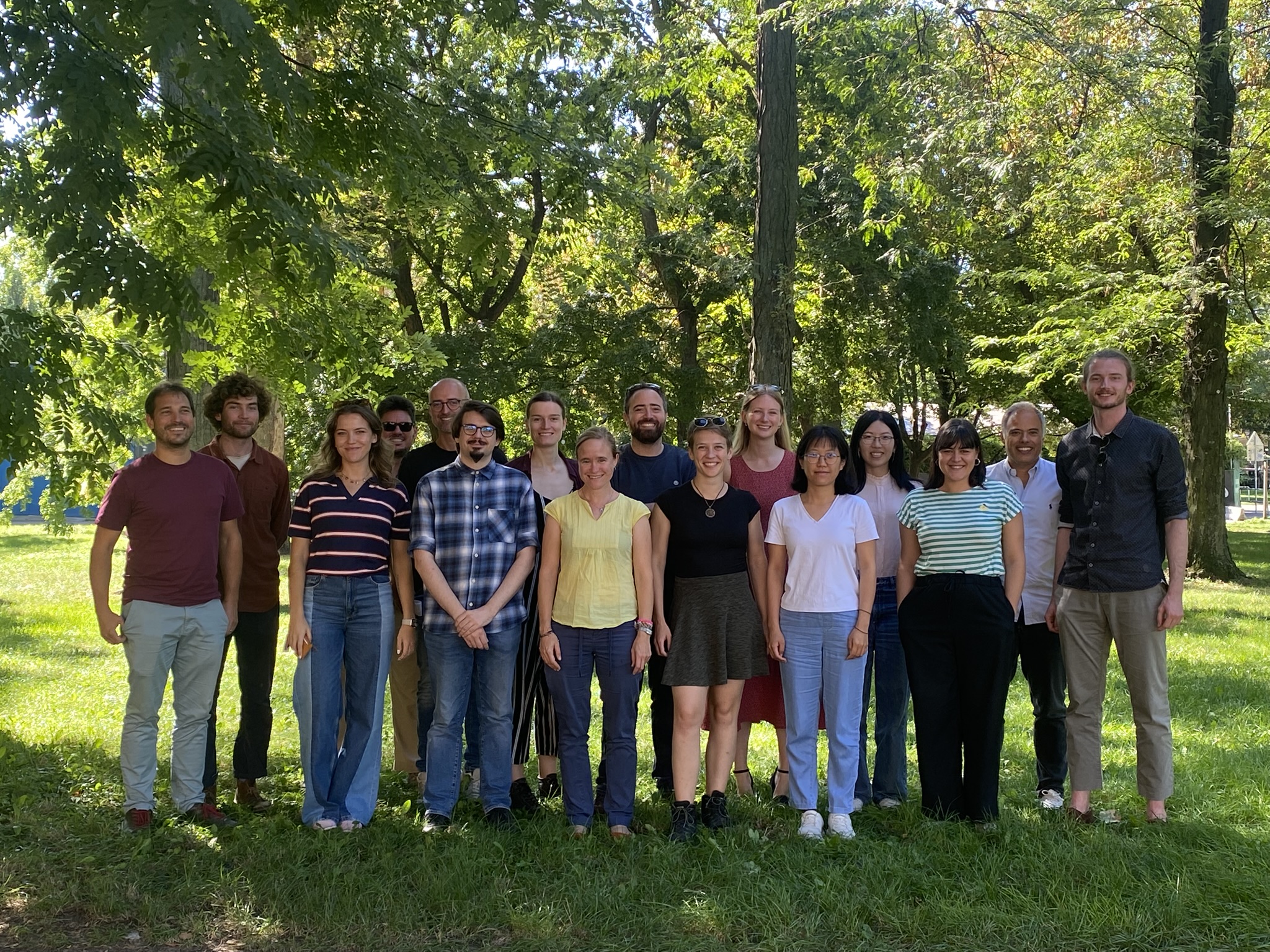
On 18–19 September 2025, the BAMBOO consortium came together in Vienna for its annual in-person meeting. Representatives from all European partner organizations joined to share progress, align on methods, and ensure compatibility across our joint developments.
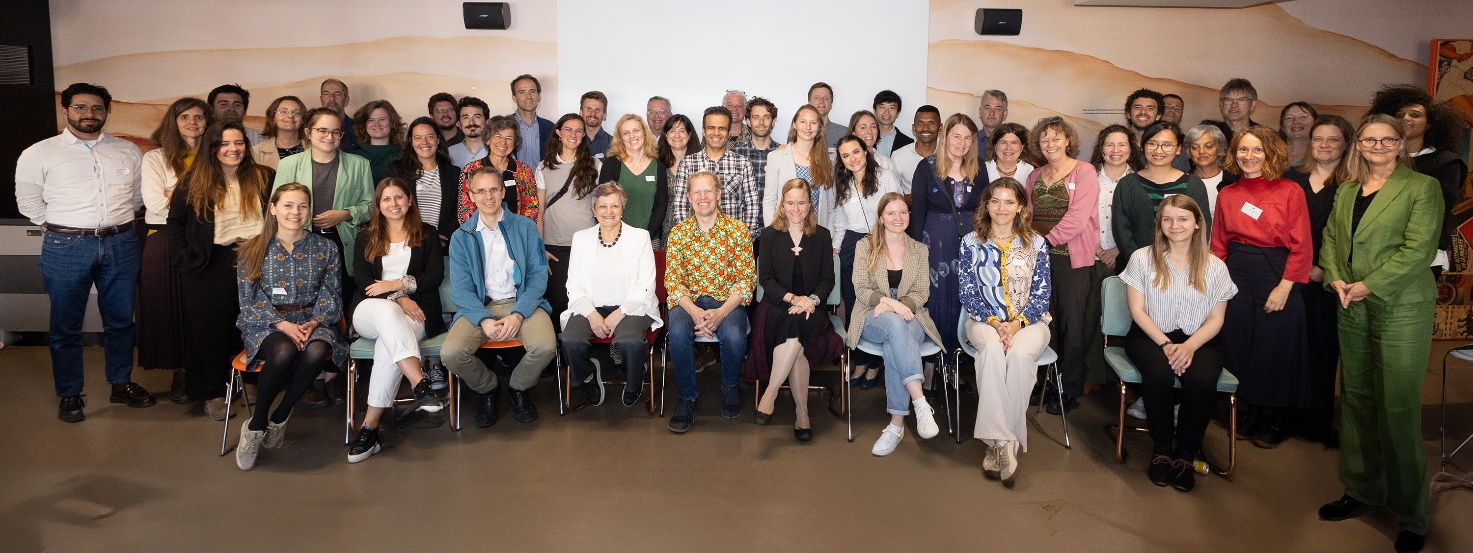
On June 4–5, 2025, over 150 participants gathered in Brussels and online for a two-day event.
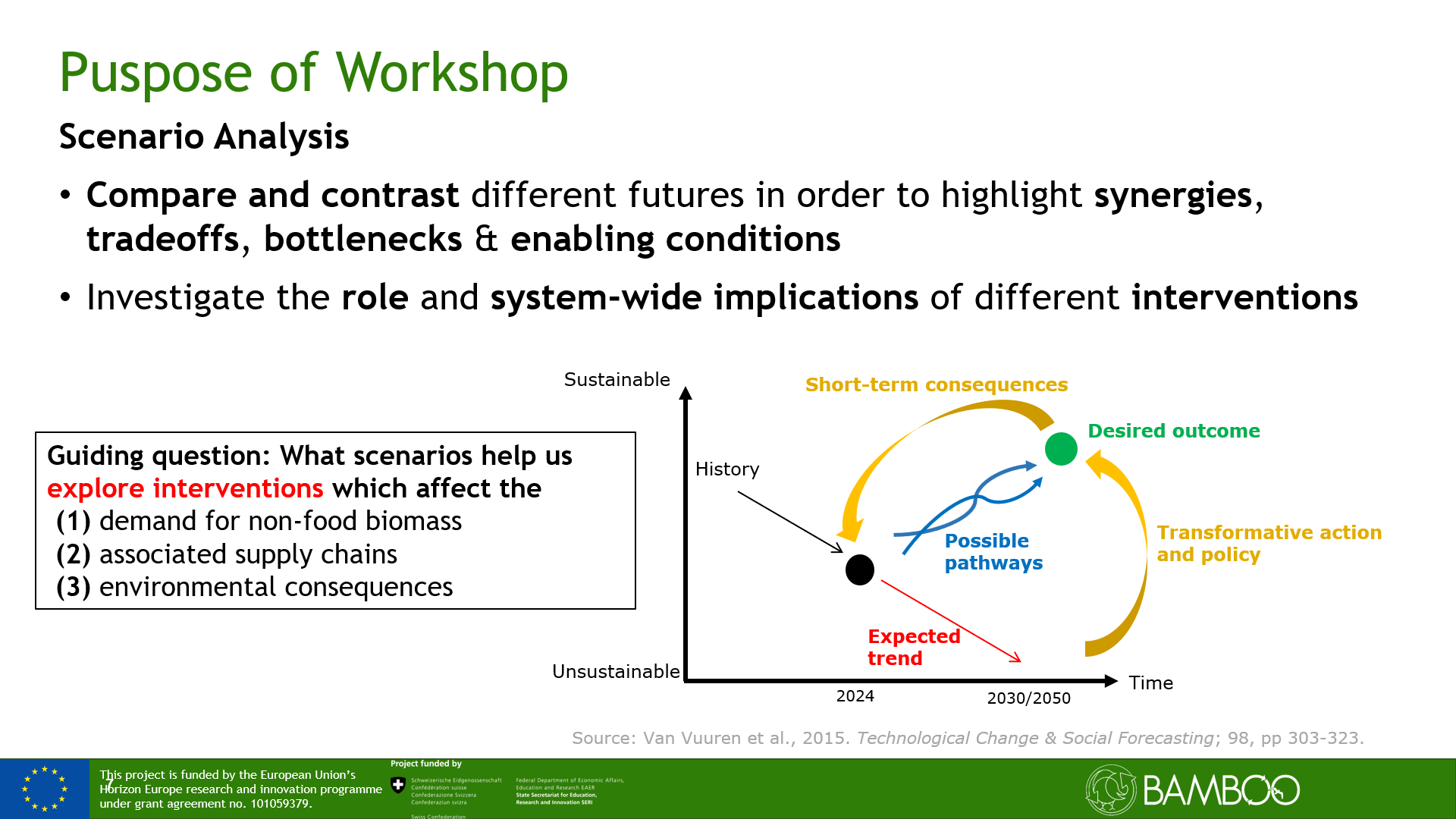
In June, we hosted an online workshop to gather input for the scenarios we will run later in the project.
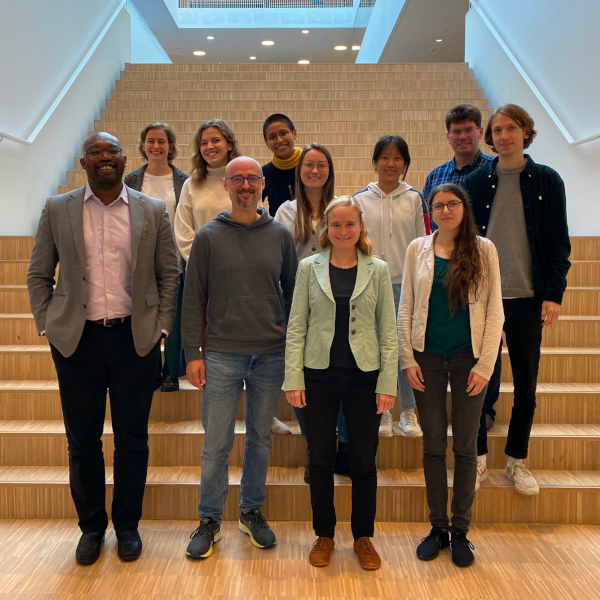
The kick-off meeting of the BAMBOO project took place on 17/18 October 2022 in Leiden (The Netherlands).
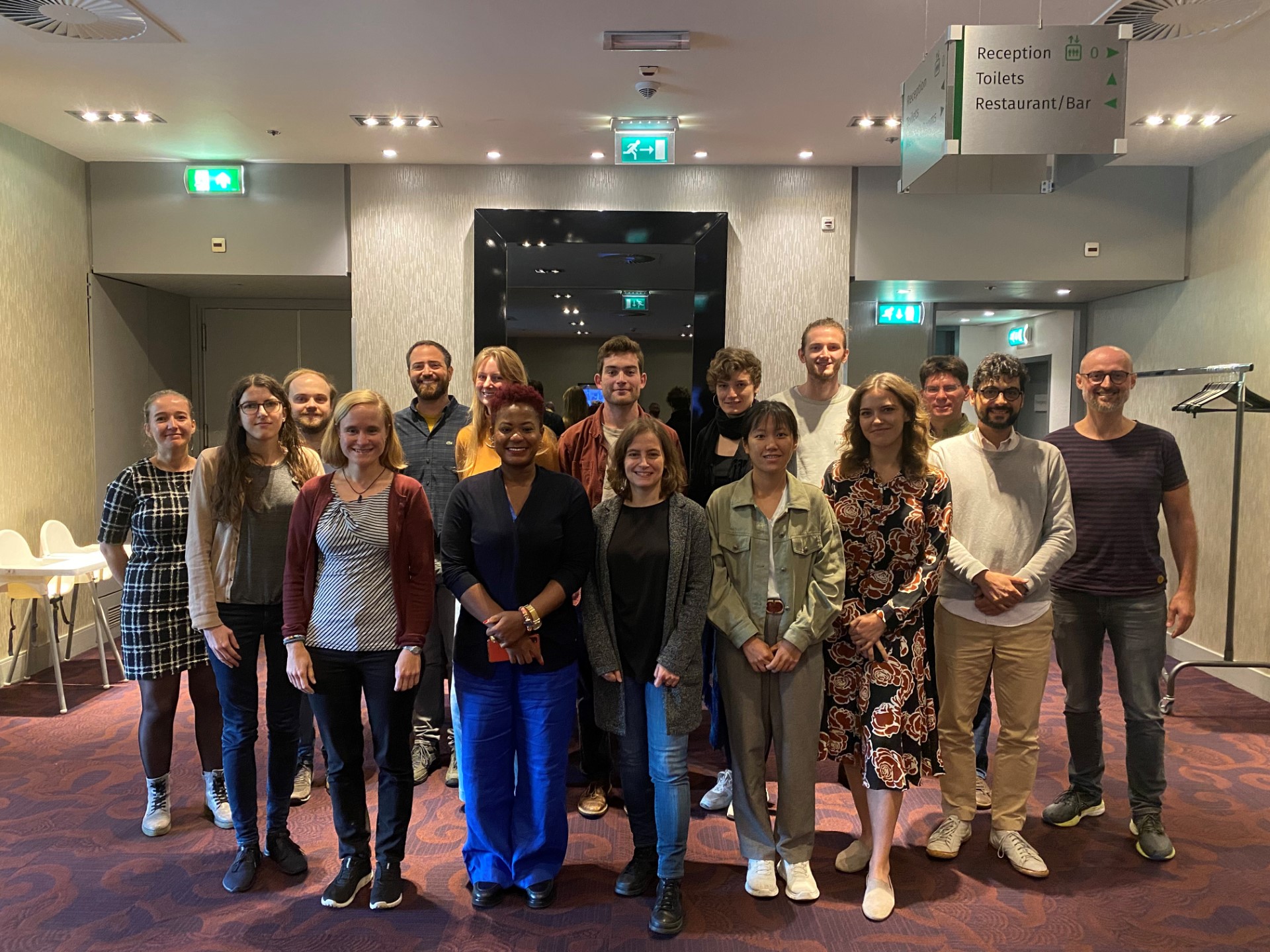
One year into the project, the BAMBOO consortium met again in person in the Netherlands, this time in The Hague on 27 and 28 September 2023.
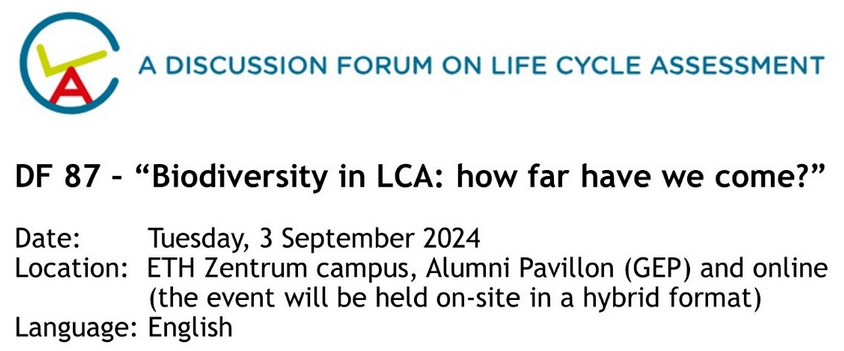
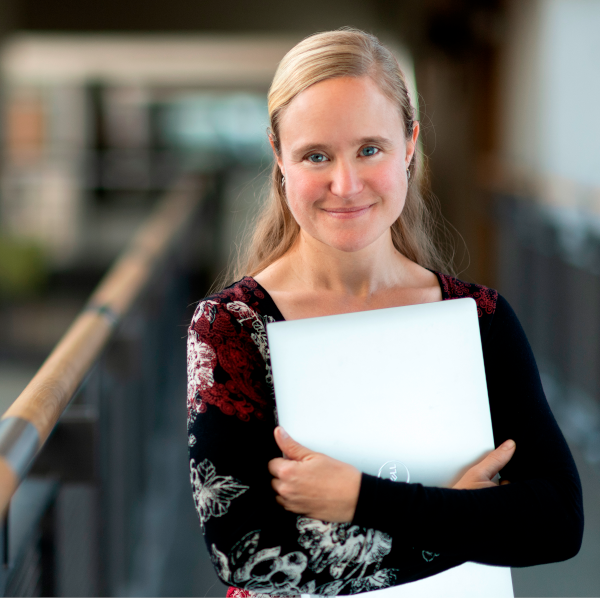
Event hosted by BAMBOO members Francesca Verones, Laura Scherer, Stephan Pfister, and Martin Bruckner.